
When inflow and infiltration (I/I) occur, you need to treat the issue. Chemical grouting can help you save on the costs of pumping and treating groundwater. Stop I/I at the source with a range of complete, integrated grouting systems from CUES.
Chemical grouting offers a cost-effective and minimally disruptive way to stop groundwater from getting inside your system. It can help you seal joints, maintenance holes and laterals. By doing so, it lowers treatment costs and frees the system to handle only the water it was designed for.
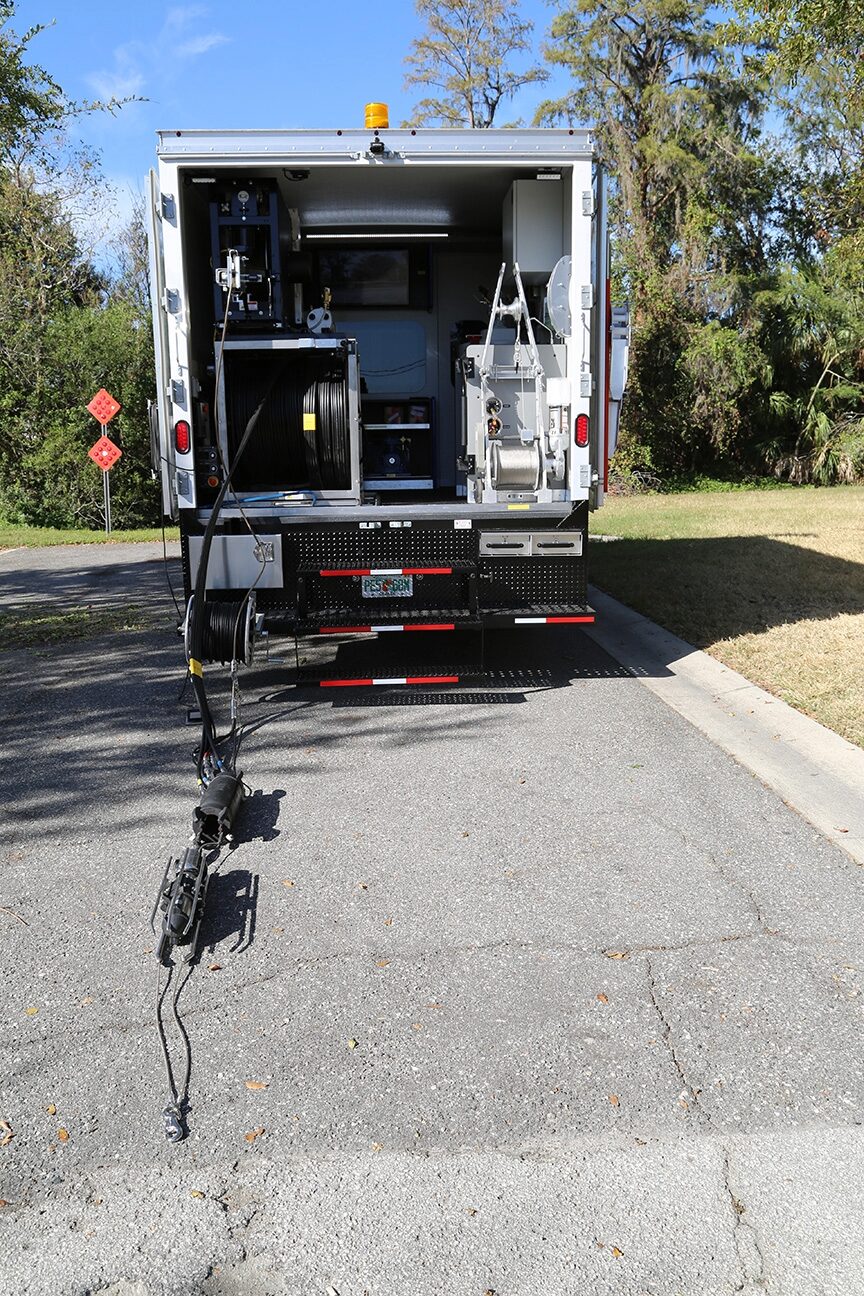
Carry all your equipment for mainline and lateral sealing with truck-mounted systems that are available in various configurations.
This computerized control system has an intuitive interface that guides operators through the grouting process.
The compact design enables easy handling and insertion into larger sewer pipes through standard manholes.
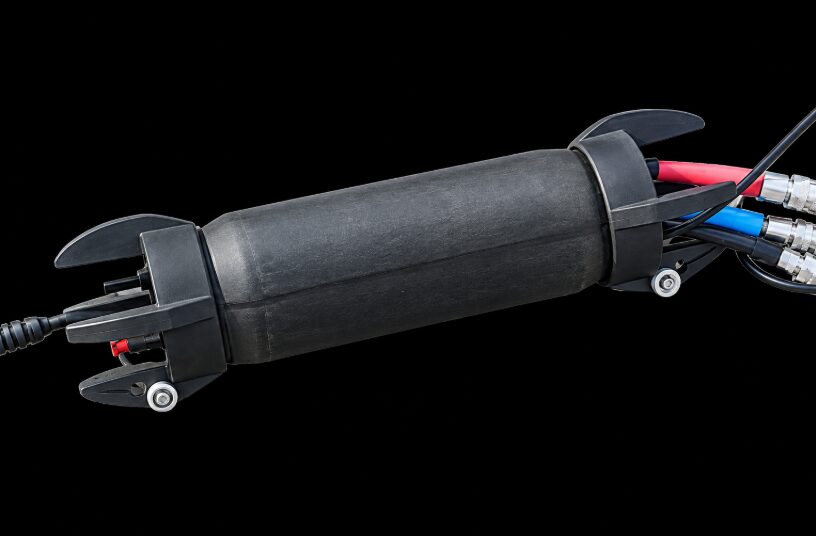
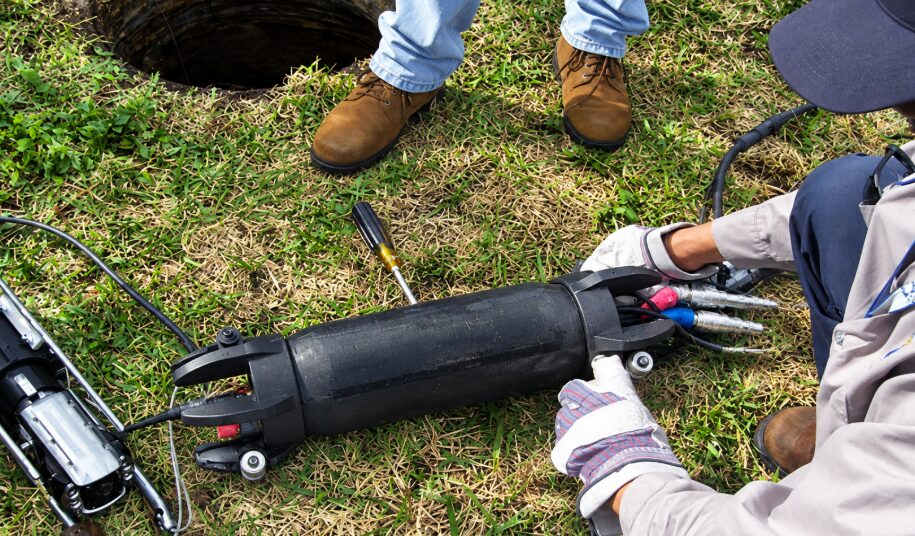
These packers are designed for precision, efficiency and cost-effectiveness in chemical grouting applications.

At MTech, we’ve got you covered for every aspect of your grouting system. When you buy from us, you can expect support from a long-term partner and the largest CUES dealer in the world. Our team does what it takes to help your grouting repair program succeed. If your teams are new to the equipment, we can provide hands-on training. Give operators a chance to learn how to use the equipment before they head out to the field.
Once you’re out in the field, we support you there, too. Six full-time factory-trained service team members focused on CUES provide repairs and maintenance. They’re well-versed in all the offerings from this equipment brand, enabling them to provide faster repairs. Three full-service locations in Cleveland, Cincinnati and Detroit enable us to respond quickly to your requests, and we can even visit you on-site to help you save time. Use our extensive CUES parts and equipment inventory to get everything you need for your inspection and repair needs.
When you build a leak sealing program with CUES equipment, you can accomplish various objectives, including reducing I/I to stop leaks in mainline joints, lateral connections and maintenance holes. Precision sealing can help stabilize the surrounding soil, preventing erosion and voids that might otherwise lead to sinkholes or failures in the roadbed.
Sealing can also help you provide proactive maintenance to structurally protect pipes. It can help defer the need for more costly replacements. Once you complete the work, you can record the pipeline condition and the repair actions taken for future reference by other teams.


Get the supplies to accomplish effective grouting from MTech, the largest CUES dealer in the world. Request a quote on grout solutions.
 Request a Quote