

The traditional request for proposal process often traps public works directors in a monthslong cycle of writing, advertising and evaluating bids. Cooperative purchasing offers a legally compliant fast lane, allowing you to bypass administrative red tape while maximizing taxpayer dollars.
As detailed in our municipal equipment purchasing guide, this strategy is essential for modern fleet management. Instead of starting from scratch, your agency piggybacks on competitive contracts solicited by lead agencies. Partners like MTech Company negotiate these prevetted networks daily, helping you turn a complex procurement ordeal into a simple, audit-proof purchase order.
4 Steps From Solicitation to Purchase Order
Cooperative contracts drastically simplify the path from identifying a need to issuing a purchase order. However, the behind-the-scenes legal rigor is extensive. The process, validated by leading cooperatives like Sourcewell, follows a transparent best-value workflow that often exceeds local compliance standards.
1. The Lead Agency Solicits
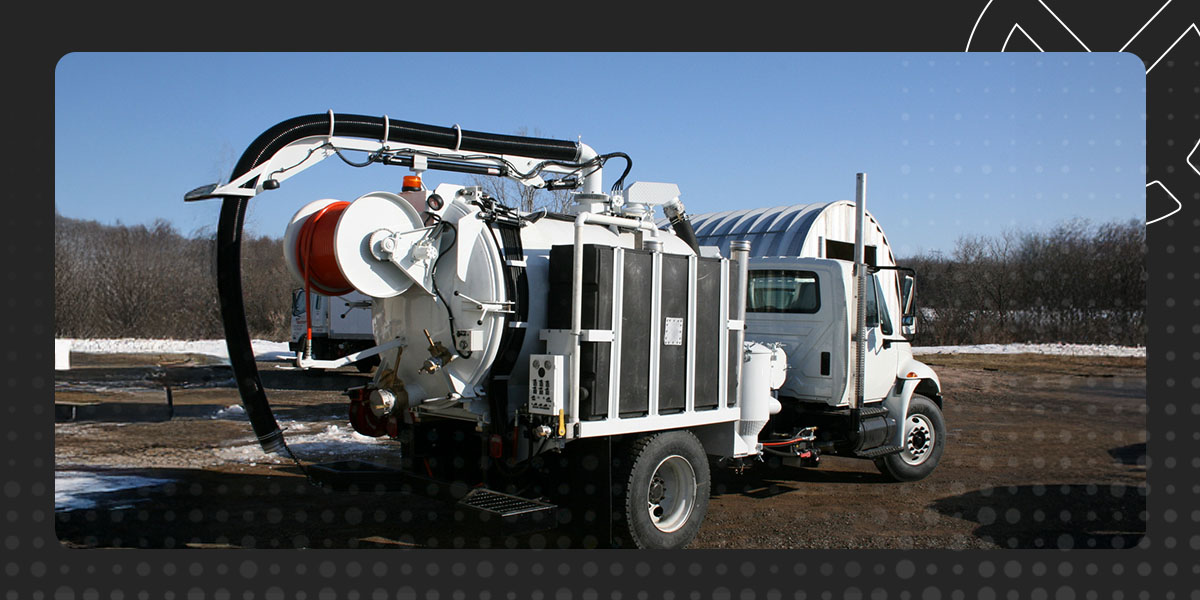
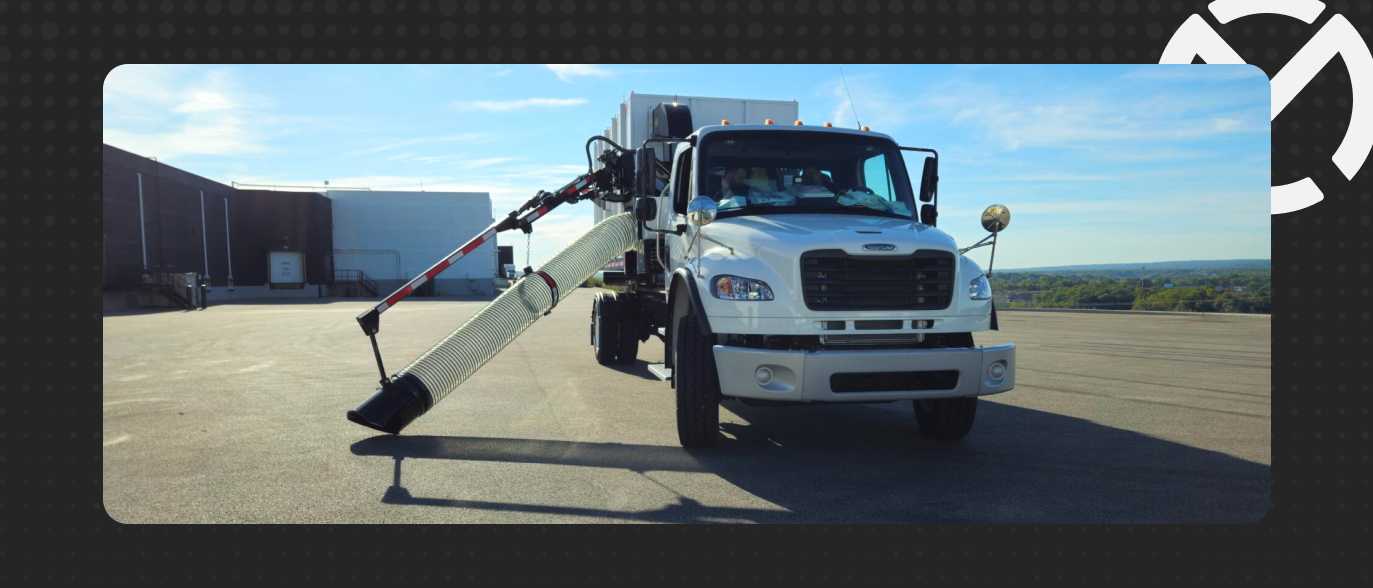
A government entity acts as the lead agency and drafts a formal RFP or invitation to bid. Unlike a simple price check, the agency publishes this solicitation in official journals and national publications for a set period. It outlines strict technical specifications for complex machinery — like the precise hydraulic capacity of a sewer cleaner or the hopper size of a street sweeper — ensuring the final contract covers professional-grade equipment.
2. Committee-Based Vendor Evaluation
This stage is the primary filter for quality. Instead of a single purchasing agent reviewing quotes, an independent evaluation committee of public officials reviews sealed bids and grades vendors on a points-based system that prioritizes the best value over the lowest price.
The committee scrutinizes the manufacturer’s financial stability, warranty depth, parts availability and technical solutions to filter out low-quality options that often plague traditional low-bid scenarios.
3. Contract Award and Pricing Lock
The lead agency awards a master agreement to the vendors who achieve the highest scores. Crucially, this agreement establishes ceiling pricing, which is the maximum price a vendor can charge for base equipment and options. A transparent pricing structure protects your agency from inflation or arbitrary markups for the duration of the contract, which is typically four years.
4. The Piggyback Purchase
Signing a simple interlocal agreement and registering with the cooperative gives you the legal standing to piggyback on the lead agency’s work.
You request a quote from a partner like MTech, which will explicitly reference the cooperative contract number and the prenegotiated line-item pricing. Finally, you issue your purchase order, citing that contract number, which immediately satisfies your local bid requirements.
Why Municipalities Choose Cooperatives
The benefits of cooperative purchasing extend far beyond skipping the RFP process. This model changes the dynamic of public procurement, shifting the focus from administrative burden to strategic acquisition.
Agencies that embrace this method gain significant advantages that impact their budget, timeline and operational readiness.
- Speed to delivery: The traditional bidding timeline generally takes several months from start to finish. Buying from a cooperative contract shortens that timeline to weeks, allowing you to put critical equipment into service faster.
- Guaranteed compliance: Because a lead public agency has already fulfilled the legal requirements for competitive bidding, your purchase is inherently compliant and audit-proof. It eliminates the legal risks associated with errors or challenges in a local bid process.
- Buying power: Cooperative contracts aggregate the purchasing volume of thousands of agencies nationwide, giving smaller townships and local governments access to the same aggressive pricing tiers and volume discounts typically reserved for the largest states and cities.
- Reduced administrative burden: Cooperatives free procurement teams from the hundreds of hours they usually spend writing specifications, publishing legal notices, evaluating complex bids and defending an award. Then, they can focus on more strategic, high-value procurement activities.
Which Contract Type Do You Need?
Cooperative contracts are available in several forms, and choosing the correct one depends on your state’s laws. Understanding the difference lets you confidently select the ideal purchasing vehicle for your agency.
National cooperatives like HGACBuy, OMNIA Partners and Sourcewell are generally available to any public entity nationwide. They provide broad access to major equipment brands regardless of your location, making them ideal for acquiring specialized machinery from top-tier manufacturers. Membership is almost always free and often requires filling out an online registration or signing an interlocal agreement.
State-specific programs comply with the legislative requirements of the state that mandates them. For example, Pennsylvania’s COSTARS program is the preferred purchasing vehicle for commonwealth municipalities, offering preapproved contracts from the Department of General Services.
Similarly, the Ohio State Term Schedule provides a compliant purchasing path for Ohio agencies, while CoPro+ serves Michigan counties and townships. Determining your eligibility for these programs is a straightforward process that MTech can assist you with.
MTech’s Active Cooperative Purchasing Contracts
Managing the complexities of national and regional contracts is a core part of our mission. We understand how cooperative purchasing contracts work across different legislative frameworks. MTech actively maintains relationships with leading cooperatives to give our clients a transparent path to acquiring the equipment they need.
We can help you identify which of these contracts offers the best advantage for your specific acquisition.
- Sourcewell: As one of the largest and most respected national cooperatives, this is a primary purchasing vehicle for many of our heavy equipment lines, including sewer trucks and sweepers.
- COSTARS Pennsylvania: We are an authorized vendor on numerous COSTARS contracts, providing a direct procurement route for Pennsylvania municipalities seeking sewer inspection equipment or industrial mowers.
- Ohio State Term Schedule: Our presence on the Ohio STS streamlines procurement for state and local agencies seeking road maintenance equipment and other essential machinery.
- CoPro+ Michigan: CoPro+ is often the most efficient purchasing route for Michigan townships and counties. We are an approved partner on the platform.
- HGACBuy: This national cooperative facilitates purchases through interlocal contracts. We use this excellent option for specialized public works and fire apparatus.
Is Cooperative Purchasing Right for Your Next Acquisition?
The ideal scenario for a cooperative contract is when you need to acquire a known piece of equipment from a trusted brand and want to avoid the delays and uncertainties of a low-bid solicitation. Once you understand cooperative purchasing contracts, you can appreciate the advantage of agreements awarded through a rigorous and transparent public process.
Before you begin drafting your next RFP, consider reviewing your equipment wish list with a specialist. A brief consultation can quickly match your needs to an existing cooperative contract, potentially saving you months of work and securing better pricing.
Contact MTech Company today to determine which cooperative contracts best suit your fleet needs and request a quote. Our team is ready to help you maximize the power of cooperative purchasing for your next acquisition.